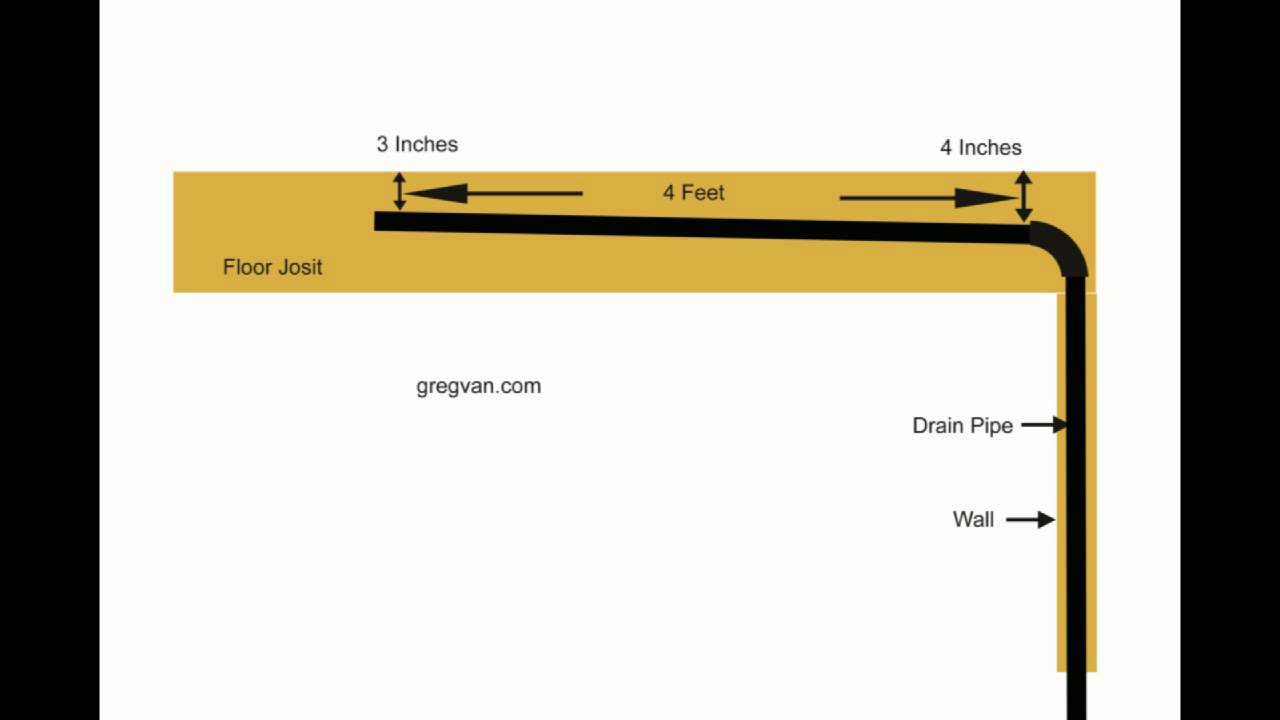
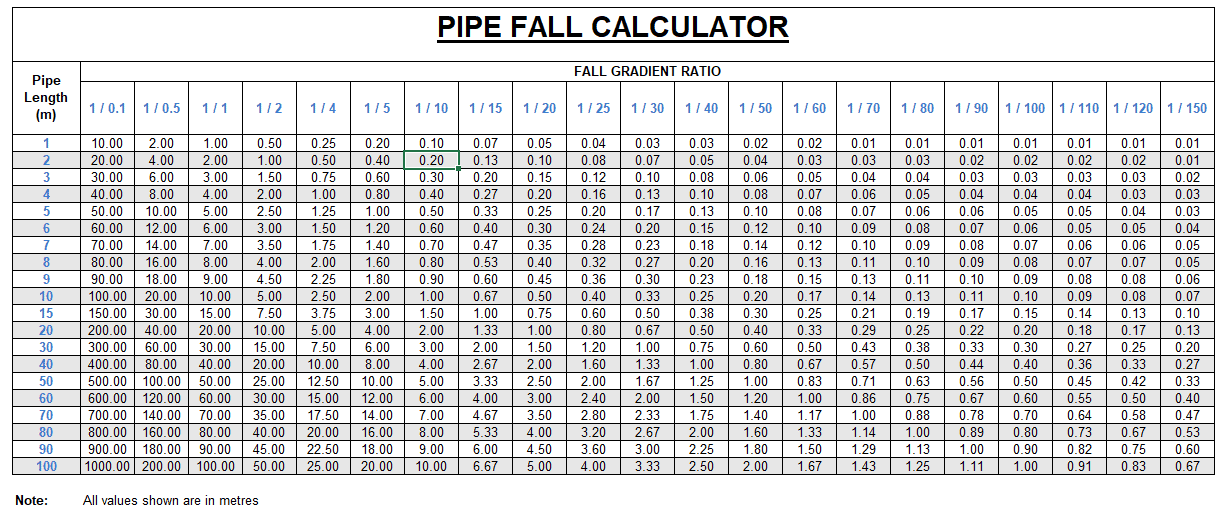
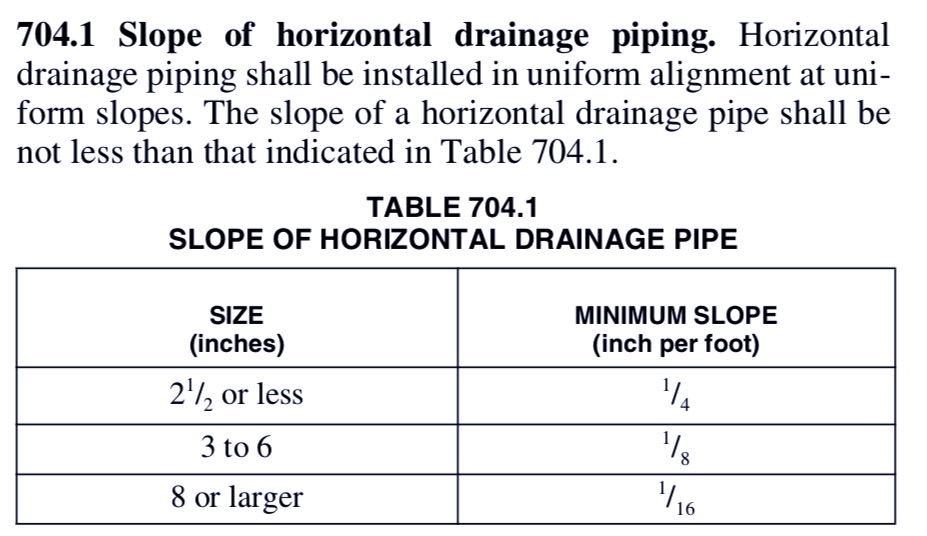
Sewer Pipe Slope Chart - It can be used for building. Web this drain pipe slope calculator will calculate the required minimum slope, grade, and total drop (fall) of a drainage pipe over a specified length of pipe. Web the ideal slope for drain and sewer pipes is generally between 1/4 inch and 3/8 inch per linear foot (2% to 3% slope). This means that for every 1 foot the pipe travels horizontally, it should dip by ¼ inch towards. The diagrams below can be used for design of sewage and wastewater gravity conveying. This calculation is vital for effective water drainage. Web the proper slope on a drain/sewer line is ¼ inch per foot of pipe. Web the slope of a horizontal drainage pipe shall be not less than that indicated in table 704.1 except that where the drainage piping is upstream of a grease interceptor, the slope of. An accurate calculation is essential for properly functioning. Web the standard slope is anywhere from ¼ inch to 3 inches per foot depending on the use.

Slope Of Horizontal Drainage Piping For Service, Please Call 1800877
Having the correct fall is crucial. Web this guide on drainage and sewer pipe slope sheds light on this vital topic, emphasizing the importance of.

Drainage Pipe Slope Chart
Web the slope of a horizontal drainage pipe shall be not less than that indicated in table 704.1 except that where the drainage piping is.
Minimum Sewer Pipe Slope Chart
Having the correct fall is crucial. It can be used for building. Web this drain pipe slope calculator will calculate the required minimum slope, grade,.
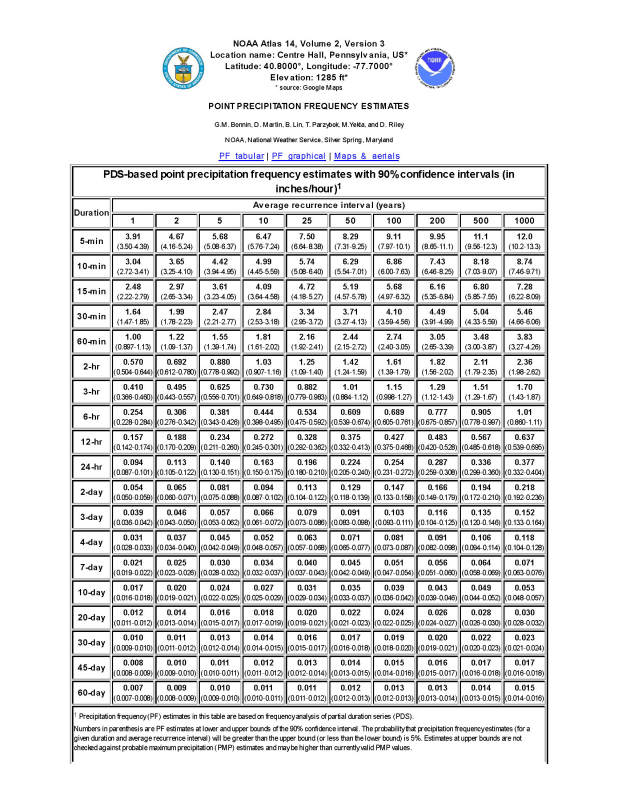
Minimum Scouring Velocity & Pipe Slope Storm/Flood engineering EngTips
Web this drain pipe slope calculator will calculate the required minimum slope, grade, and total drop (fall) of a drainage pipe over a specified length.
Sewer Pipe Slope Chart
It can be used for building. Web the slope of a horizontal drainage pipe shall be not less than that indicated in table 704.1 except.
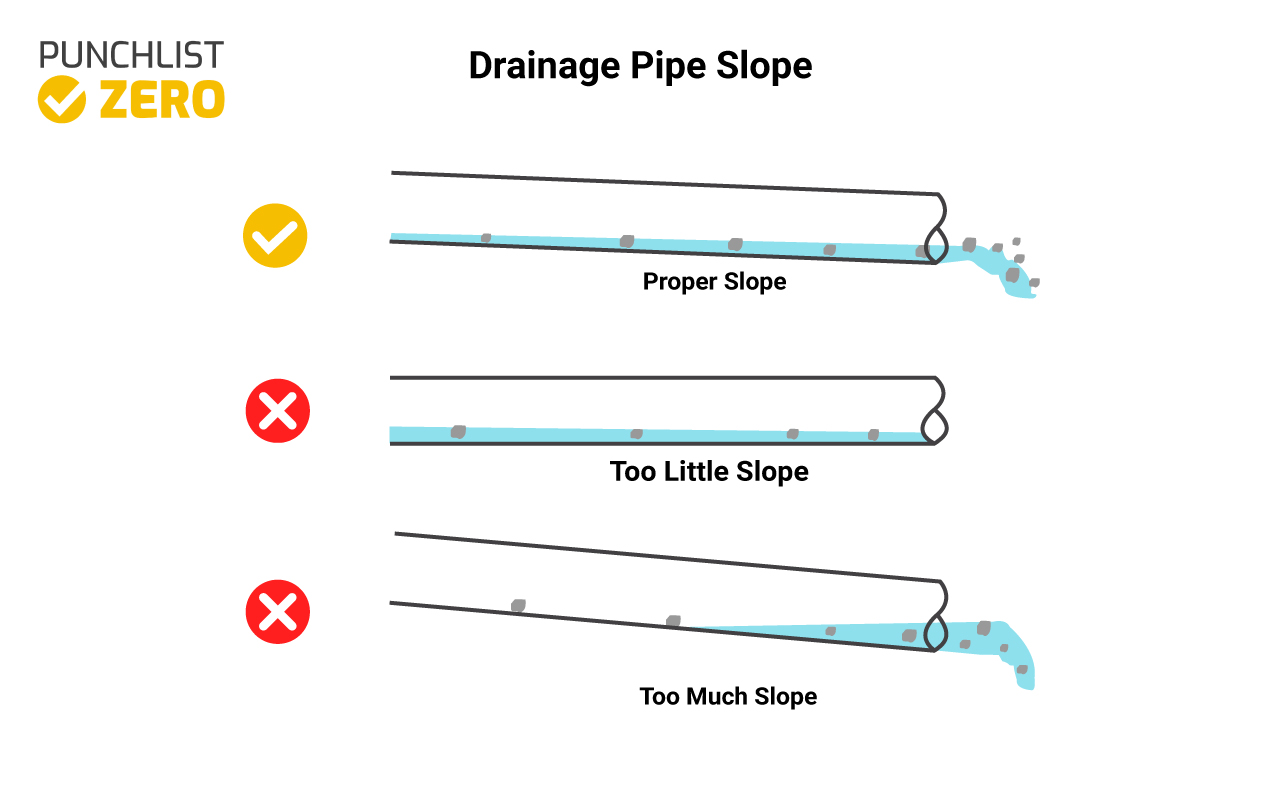
3" Sewer Pipe Slope, Dimensions, and Relining Punchlist Zero
Having the correct fall is crucial. An accurate calculation is essential for properly functioning. The diagrams below can be used for design of sewage and.

Minimum Sewer Pipe Slope Chart
This slope provides a balance between. Web this drain pipe slope calculator will calculate the required minimum slope, grade, and total drop (fall) of a.
How Do You Slope A Drain Pipe Best Drain Photos
This slope provides a balance between. Having the correct fall is crucial. Web the proper slope on a drain/sewer line is ¼ inch per foot.
Toilet Sewer Pipe Slope Chart
An accurate calculation is essential for properly functioning. Web the fall, also known as the slope or gradient, refers to the angle at which the.

GRAVITY SEWER VinylTech Pipe
Web according to the international plumbing code, drainage pipes should be run with a uniform slope at the following minimum pitches: Web the fall, also.
Having The Correct Fall Is Crucial.
Web this drain pipe slope calculator will calculate the required minimum slope, grade, and total drop (fall) of a drainage pipe over a specified length of pipe. The diagrams below can be used for design of sewage and wastewater gravity conveying. Web the proper slope on a drain/sewer line is ¼ inch per foot of pipe. An accurate calculation is essential for properly functioning.
Web According To The International Plumbing Code, Drainage Pipes Should Be Run With A Uniform Slope At The Following Minimum Pitches:
This slope provides a balance between. It can be used for building. Web this guide on drainage and sewer pipe slope sheds light on this vital topic, emphasizing the importance of maintaining the correct slope in these systems. Web the standard slope is anywhere from ¼ inch to 3 inches per foot depending on the use.
Web The Fall, Also Known As The Slope Or Gradient, Refers To The Angle At Which The Pipe Should Be Installed To Ensure Proper Drainage.
Web the slope of a horizontal drainage pipe shall be not less than that indicated in table 704.1 except that where the drainage piping is upstream of a grease interceptor, the slope of. Web a pipe slope calculator is an essential tool that helps determine the correct angle at which a pipe should be laid. Web the ideal slope for drain and sewer pipes is generally between 1/4 inch and 3/8 inch per linear foot (2% to 3% slope). This means that for every 1 foot the pipe travels horizontally, it should dip by ¼ inch towards.