Chart Of Stomach - Feeling full after eating small amounts of food. Some conditions, such as gallstones or appendicitis, may require surgery. Its functions are to mix food with stomach acid and break food down into smaller particles using chemical and mechanical digestion. When to see a doctor. The stomach is a key part of the gastrointestinal (gi) tract, sitting between the esophagus and duodenum. Web issues with the digestive organs can include pain, weight gain or loss, digestive problems, fever, and jaundice. The stomach, gallbladder, and pancreas are three of the most important digestive organs in the human body. Common causes include stomach bugs, food poisoning, gas, or acid reflux, or a chronic condition like irritable bowel syndrome or an ulcer. Click to view larger image. New 3d rotate and zoom.

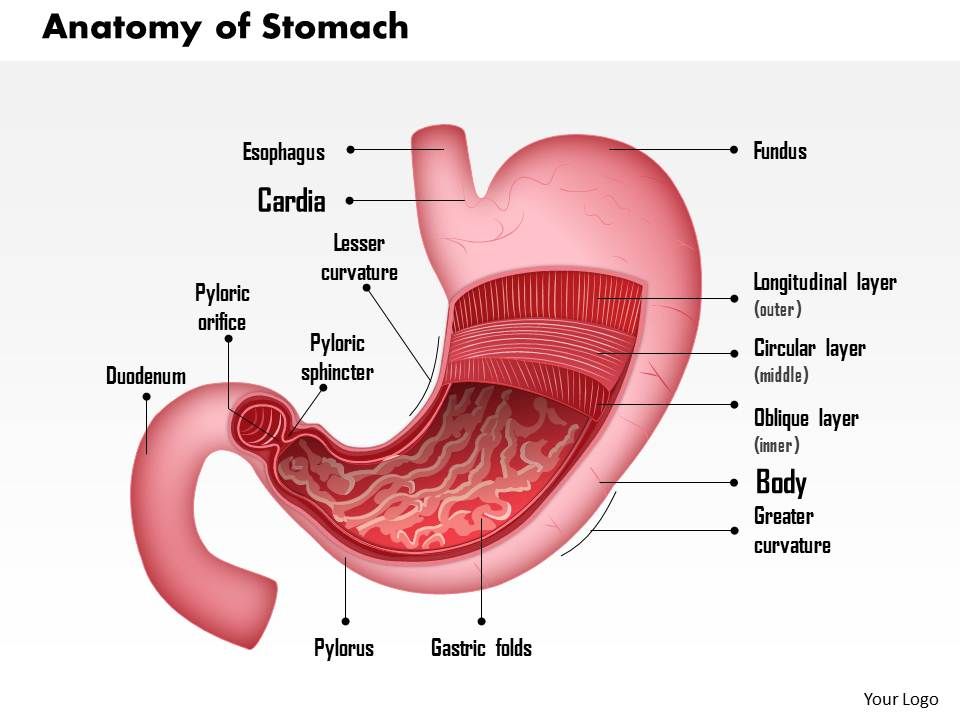
Components and layers of the stomach diagram chart
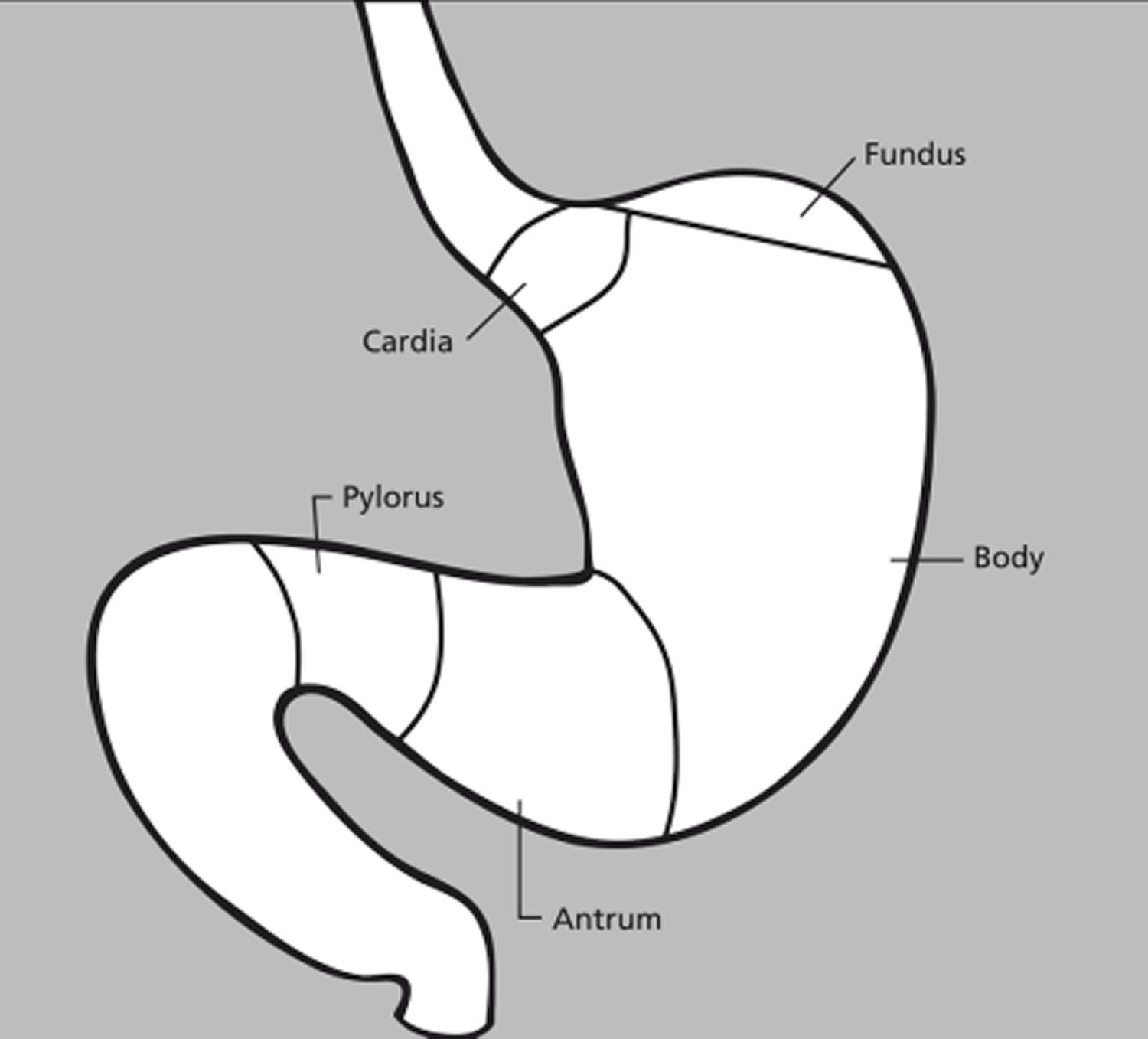
Web the stomach has four main anatomical divisions; Web products & services. Your upper abdomen is the area of your belly roughly between your ribs.
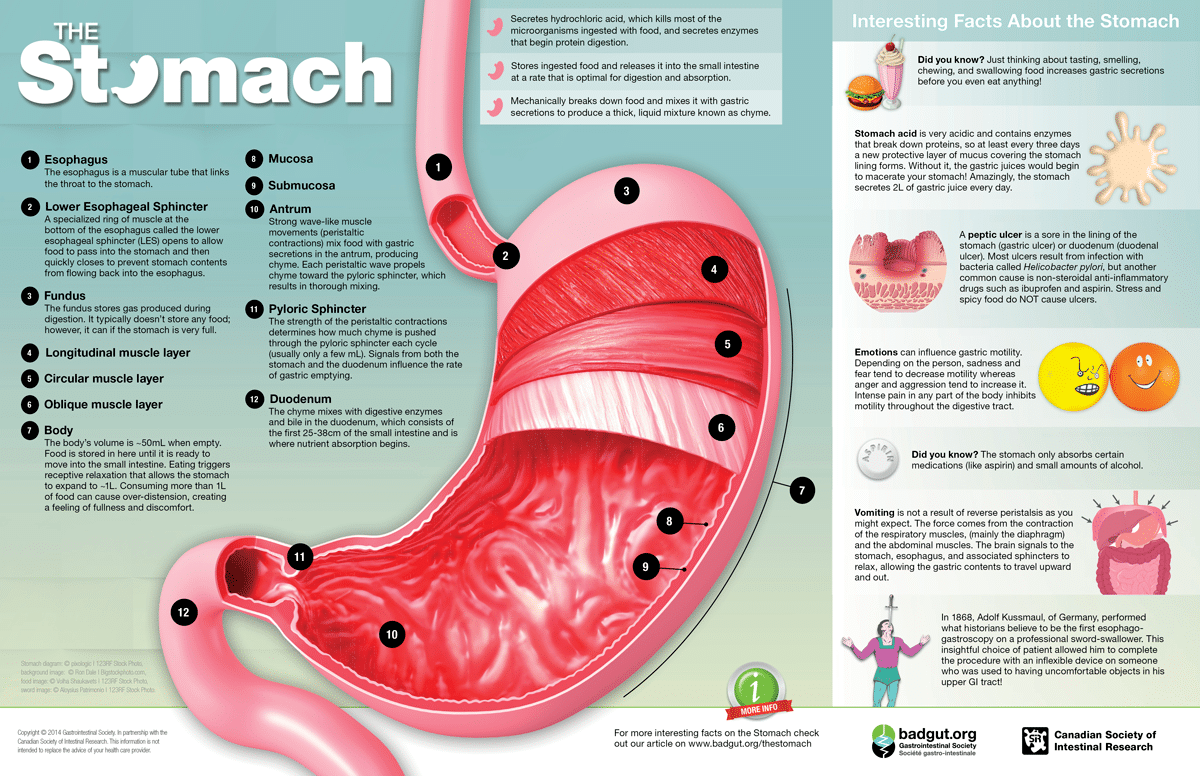
Stomach Infographic Gastrointestinal Society
As the name implies, the cardia surrounds the cardiac orifice, which is the opening between the esophagus and the stomach. Show more products from mayo.
Abdominal Anatomy Chart A Visual Reference of Charts Chart Master
What’s causing your abdominal pain and how to treat it. Healthcare providers divide the abdomen into regions to help narrow down the many possible causes.

Stomach Anatomy Poster Digestive System Chart
Web the major muscles of the abdomen include the rectus abdominis in front, the external obliques at the sides, and the latissimus dorsi muscles in.
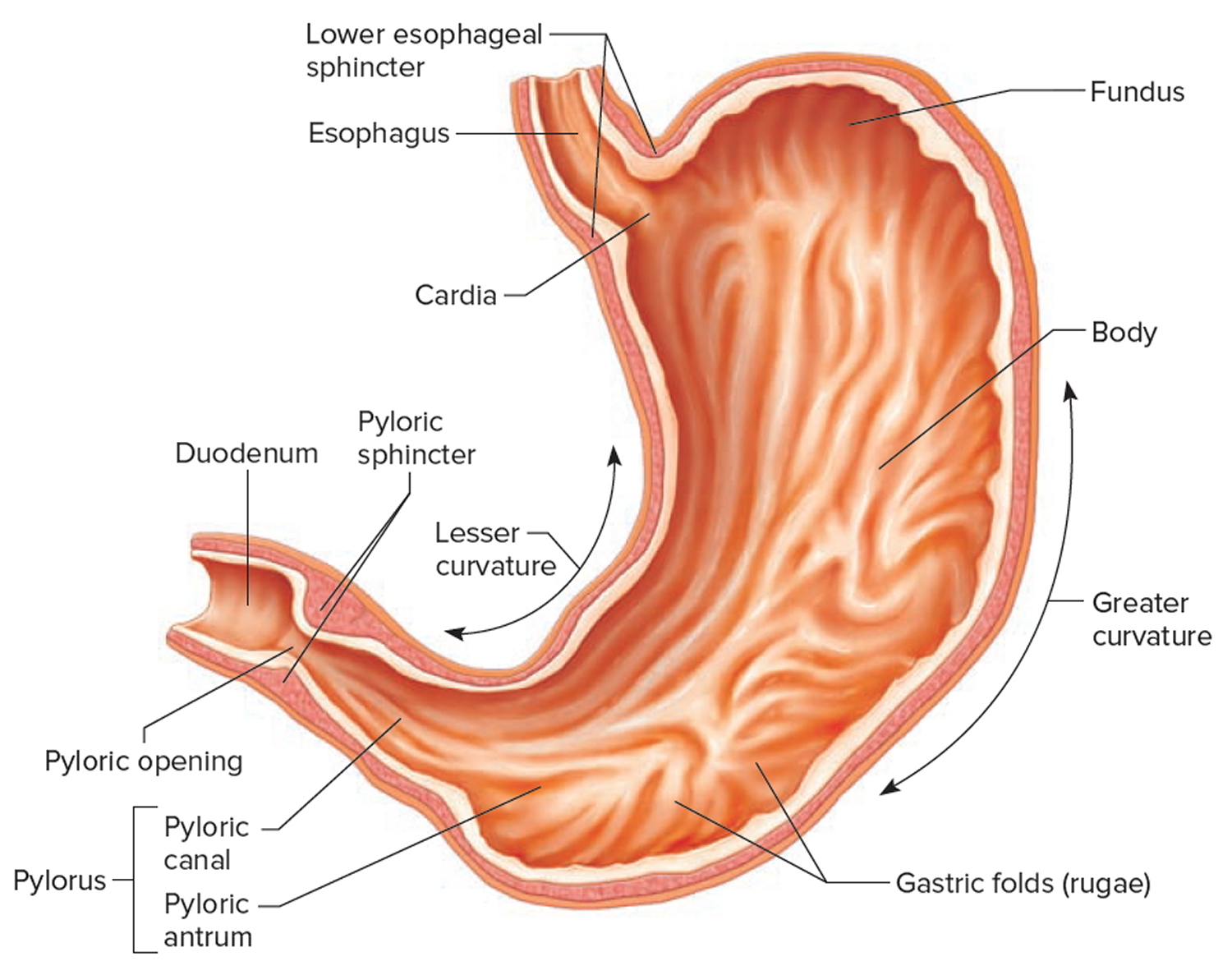
The Stomach Organs Parts, Anatomy, Functions of the Human Stomach
Signs and symptoms of stomach cancer may include: The stomach is a key part of the gastrointestinal (gi) tract, sitting between the esophagus and duodenum..

Anatomical ModelsDigestive System, Colon, Stomach
The diaphragm marks the top of the abdomen and the horizontal line at the level of the top of the pelvis marks the bottom. Web.
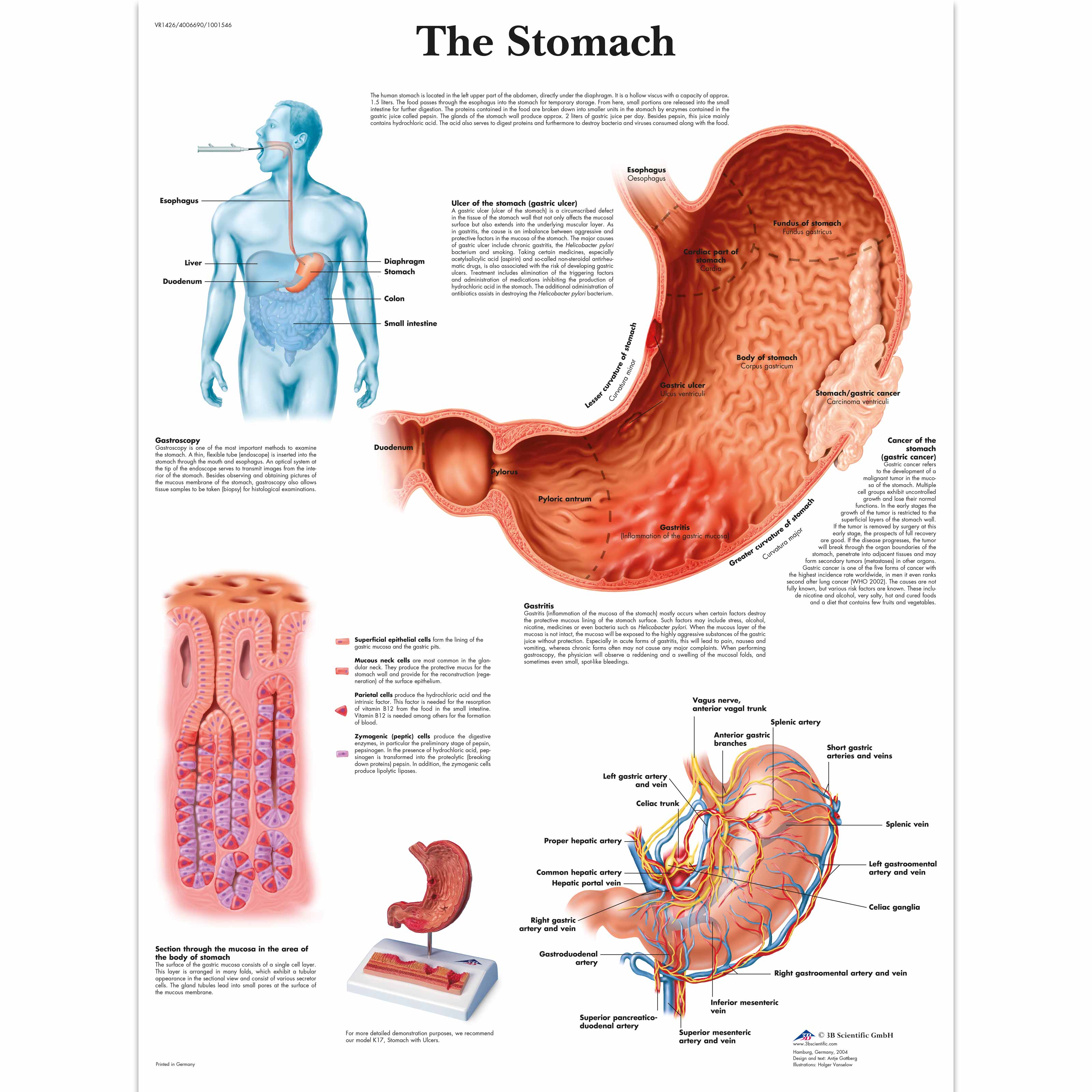
Anatomical Charts and Posters Anatomy Charts Digestive System
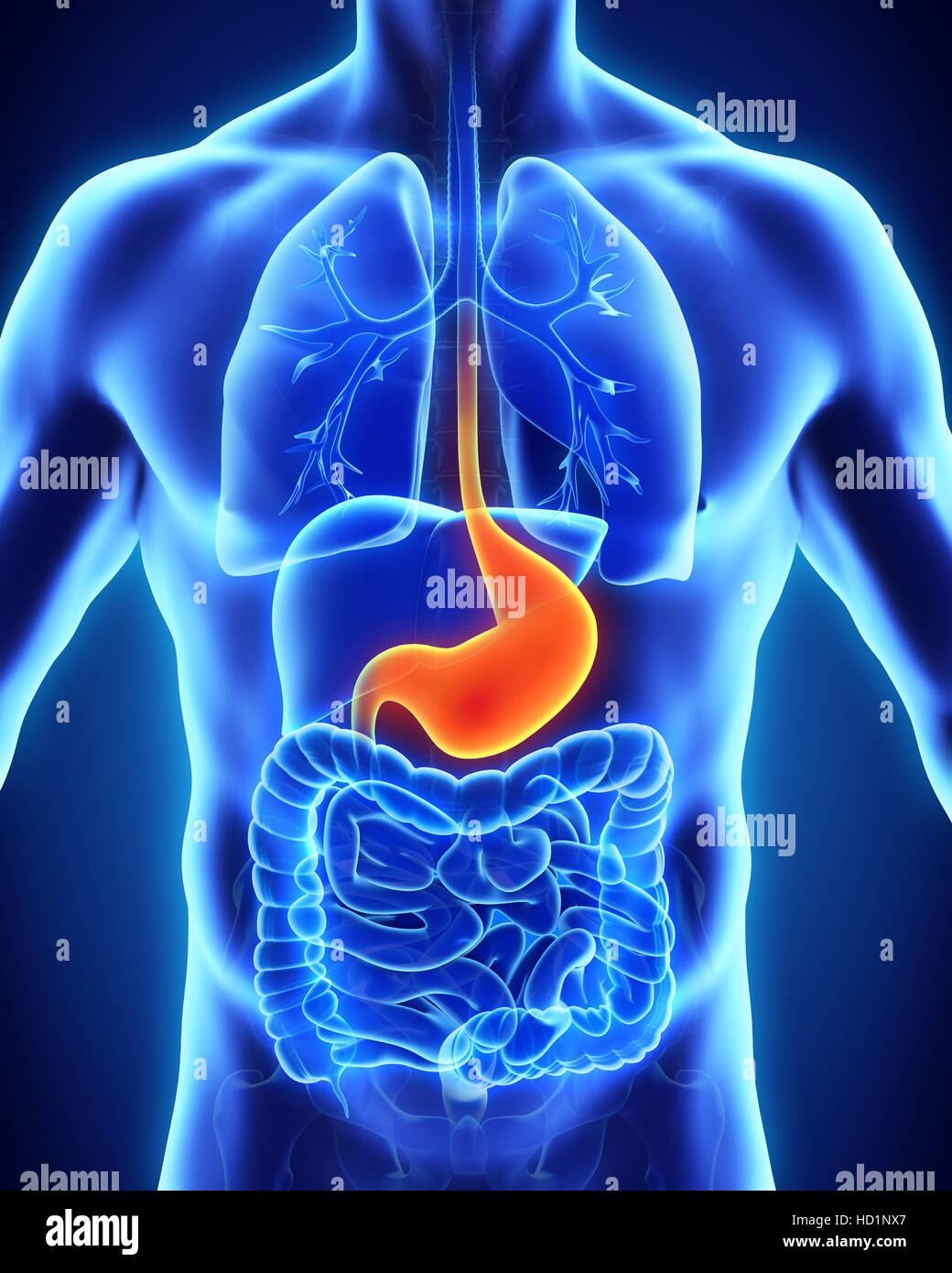
Web in the supine position the stomach occupies the right upper quadrant (ruq) and left upper quadrant (luq) or more specifically the epigastrium (e), left.
The Stomach Organs Parts, Anatomy, Functions of the Human Stomach
Web the stomach has four main anatomical divisions; The stomach, gallbladder, and pancreas are three of the most important digestive organs in the human body..

human body normal stomach chart
The four main sections of the stomach are the cardia, fundus, body, and pyloric part. Abdominal pain may take several different forms. Web a former.
Human stomach hires stock photography and images Alamy
Web what is upper abdominal pain? Gastric body, corpus of stomach , show more. Mouth, tongue, oral cavity, teeth, buccal glands, throat, pharynx, oesophagus, stomach,.
Its Functions Are To Mix Food With Stomach Acid And Break Food Down Into Smaller Particles Using Chemical And Mechanical Digestion.
When to see a doctor. Others, such as ulcers or infections, may be relieved with medicine. Your upper abdomen is the area of your belly roughly between your ribs and your belly button. Just about everybody, at one time or another, will get a.
Healthcare Providers Divide The Abdomen Into Regions To Help Narrow Down The Many Possible Causes Of Abdominal Pain.
General diagram showing all the major structures included in this system: Signs and symptoms of stomach cancer may include: Web easily learn common causes of abdominal pain by location and quadrant, whether right sided, left sided, upper, or lower. Web stomach pain covers discomforts, cramps, and sharp pains, felt between your pelvis and rib cage.
Not Feeling Hungry When You Would Expect To Be Hungry.
The cardia, fundus, body and pylorus: New 3d rotate and zoom. Show more products from mayo clinic. Some conditions, such as gallstones or appendicitis, may require surgery.
If You Have Upper Abdominal Pain, It’s More Likely To Be Related To The Organs In That Region.
What’s causing your abdominal pain and how to treat it. Click to view larger image. The stomach is a key part of the gastrointestinal (gi) tract, sitting between the esophagus and duodenum. Its main function is to store and break down the foods and liquids that we consume before.